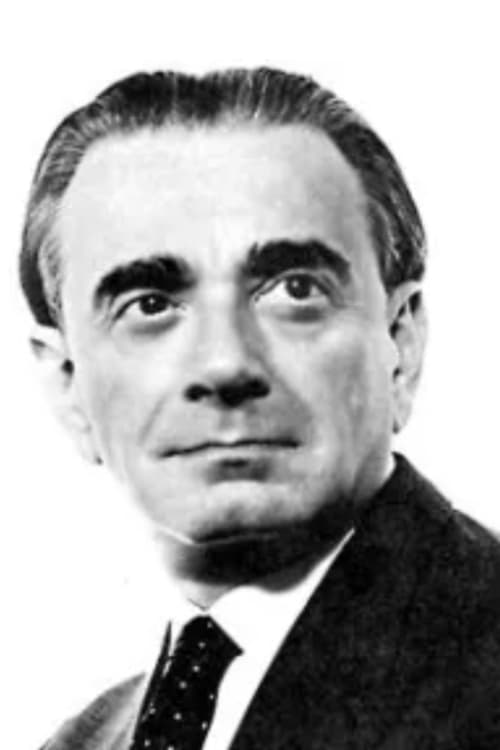
Miklós Rózsa
Biography
Miklós Rózsa (18 April 1907 – 27 July 1995) was a Hungarian-born composer trained in Germany (1925 – 1931), and active in France (1931 – 1935), England (1935 – 1940), and the United States (1940 – 1995), with extensive sojourns in Italy from 1953. Famous for his nearly one hundred film scores, he nevertheless maintained a steadfast allegiance to absolute concert music throughout what he called his "double life." Rózsa achieved early success in Europe with his orchestral Theme, Variations, and Finale (Op. 13) of 1933 and became prominent in the film industry from such early scores as The Four Feathers (1939) and The Thief of Bagdad (1940). The latter project brought him to America when production was transferred from wartime Britain, and Rózsa remained in the United States, becoming an American citizen in 1946. His notable Hollywood career earned him considerable fame, including Academy Awards for Spellbound (1945), A Double Life (1947), and Ben-Hur (1959), while his concert works were championed by such major artists as Jascha Heifetz, Gregor Piatigorsky, and János Starker. Description above from the Wikipedia article Miklós Rózsa, licensed under CC-BY-SA, full list of contributors on Wikipedia.
Known For & Full Filmography5 Titles
Drama Series - 1959, 16 episodes • as Self
An outstanding performance featuring brilliant storytelling, high stakes drama, and unforgettable character arcs.

Movie - 1953, 2h 15m • as Conductor
Passengers on an ocean liner recall their greatest loves.

Movie - 2019, 2h 15m • as Self (archive footage)
Winston Churchill understood the power of films, but the true extent of his use of cinema as a propaganda tool is rarely explored. In 1934, one of Britain's most celebrated film producers, Alexander Korda, signed Churchill up as a screenwriter and historical advisor. It was the start of a unique collaboration. Churchill provided script notes for Korda's productions and penned an epic screenplay. When war broke out, their collaboration took on national importance. Korda was sent on a mission to Hollywood to help bring America into the war, with positive results. With access to previously undiscovered documents, this film documentary examines that mission and a friendship that underpinned a unique, creative partnership.
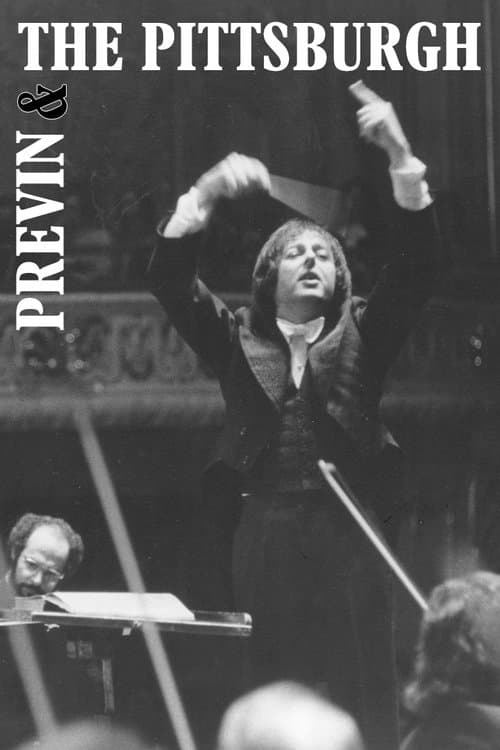
Drama Series - 1977, 16 episodes • as Self
Renowned composer, conductor, and pianist Andre Previn welcomes one or more musical guests for conversation and performance, either accompanied by Mr. Previn on piano or in concert with the Pittsburgh Symphony Orchestra. Produced by WQED and syndicated nationally on PBS, the series was notable among musical performance programs for its deft camera work and editing. The episode The Music That Made the Movies was nominated for an Emmy for Outstanding Music Direction.
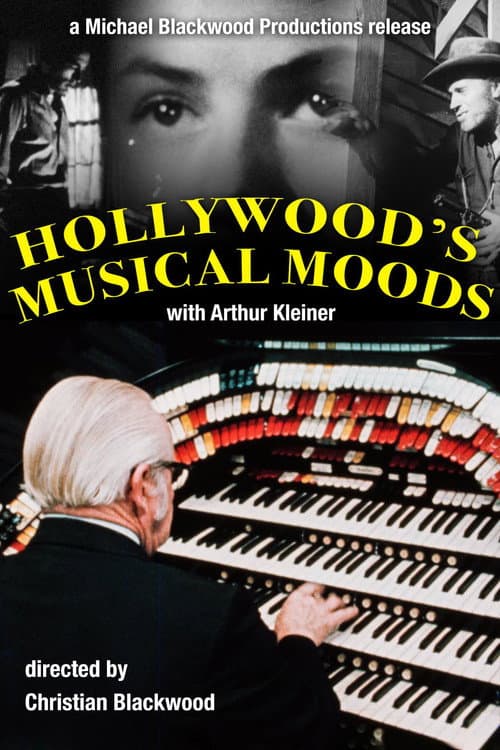
Movie - 1976, 2h 15m • as Self
In the silent film era, movies were never really silent. In the background of films that made figures like Charlie Chaplin and Buster Keaton into cultural icons, were the musical giants whose compositions defined the very films that captivated a generation of movie-goers. Arthur Kleiner converses with the still-living legends from that bygone golden age of cinema.