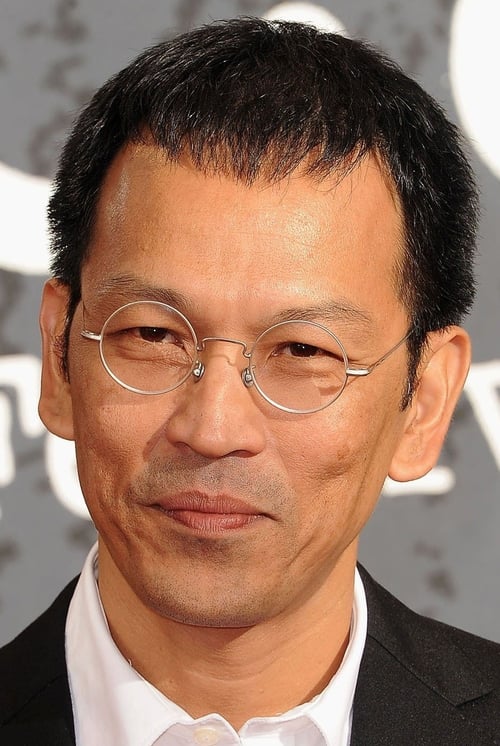
Pen-Ek Ratanaruang
Biography
Pen-Ek Ratanaruang (Thai: เป็นเอก รัตนเรือง) A Thai film director and screenwriter best known for his arthouse work "Last Life in the Universe", and is considered to be one of Thai cinema's leading "new wave" auteurs, alongside Wisit Sasanatieng and Apichatpong Weerasethakul. He goes by the nickname Tom and is sometimes credited as Tom Pannet.
Known For & Full Filmography7 Titles

Drama Series - 2023, 16 episodes • as Advertising Client
After losing her job, a woman discovers a mysterious package on her apartment doorstep and her life takes a turn for the worse.

Movie - 2004, 2h 15m • as Narrator (voice)
Pod decides to change jobs after losing his finger at a sardine packing plant. His new job as a security guard comes with an unexpected perk in the form of a lanky maid who carries a mysterious white book.

Movie - 2009, 2h 15m • Main Cast Role
An insightful documentary about Thai cinema, which features a colourful and long running film history, yet struggles as the industry attempts to move forward. This film examines the past and focuses on the Thai New Wave since 1997 by combining film clips, and interviews from Thai directors and others artists, like Asian hip-hop sensation Thaitanium, who are trying to create a more personal style of art.

Movie - 2008, 2h 15m • as Self
An interview with five renowned artists from various fields, focusing on their beliefs, identity, working methods, and life journey—from the beginning of their careers to their eventual success in their respective disciplines.

Movie - 2014, 2h 15m • as Self
A Thai documentary about 'Van VDO' the VHS shop in 1990s. The shop established the independent cinema scene for Thai audience by selling VHS of American, European, and Asian indie films. However, all of them are pirate and illegal.

Movie - 2014, 2h 15m • Main Cast Role
Southeast Asia Cinema - When the rooster crows is a voice of diversity reaching for change. Brillante Mendoza, Eric Khoo, Garin Nugroho, Pen Ek Ratanaruang give voice to a region rich with traditions, ethnic groups, languages, politics, and religions. It is cinema, at its purest form, fighting for freedom of expression, documenting real lives of ordinary people, giving voice to the underdogs and the outcasts. The amalgamation of these aspects gives birth to an ultra-neo-realistic cinema language currently unique to films from this region.

Movie - 2004, 2h 15m • as Self
Documentary about the Japanese filmmaker Takashi Miike, where we see him attend film festivals, personal influences and of course the study of his main films, apart from the opinions about him by other filmmakers such as Takeshi Kitano or Kinji Fukasaku.