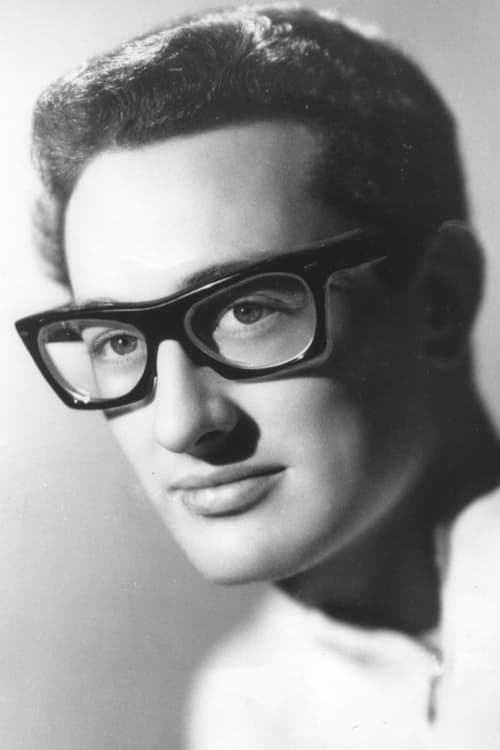
Buddy Holly
Biography
Charles Hardin Holley (September 7, 1936 – February 3, 1959), known as Buddy Holly, was an American singer and songwriter who was a central and pioneering figure of mid-1950s rock and roll. His style was influenced by gospel music, country music, and rhythm and blues acts. In 1955, after opening for Elvis Presley, he decided to pursue a career in music. After a show in Clear Lake, Iowa, he chartered an airplane to travel to his next show in Moorhead, Minnesota. Soon after takeoff, the plane crashed, killing Holly, Ritchie Valens, The Big Bopper, and the pilot in a tragedy later referred to by Don McLean as "The Day the Music Died" in his song "American Pie". During his short career, Holly wrote and recorded many songs. He is often regarded as the artist who defined the traditional rock-and-roll lineup of two guitars, bass, and drums. He was a major influence on later popular music artists, including Bob Dylan, The Beatles, The Rolling Stones, Eric Clapton, The Hollies (who named themselves in his honor), Elvis Costello, Dave Edmunds, Marshall Crenshaw, and Elton John. He was among the first artists inducted into the Rock and Roll Hall of Fame, in 1986. Rolling Stone magazine ranked him number 13 in its list of "100 Greatest Artists."
Known For & Full Filmography15 Titles

Drama Series - 1948, 16 episodes • as Self
The Ed Sullivan Show is an American TV variety show that originally ran on CBS from Sunday June 20, 1948 to Sunday June 6, 1971, and was hosted by New York entertainment columnist Ed Sullivan. It was replaced in September 1971 by the CBS Sunday Night Movie, which ran only one season and was eventually replaced by other shows. In 2002, The Ed Sullivan Show was ranked #15 on TV Guide's 50 Greatest TV Shows of All Time.
Drama Series - 1957, 16 episodes • as Self
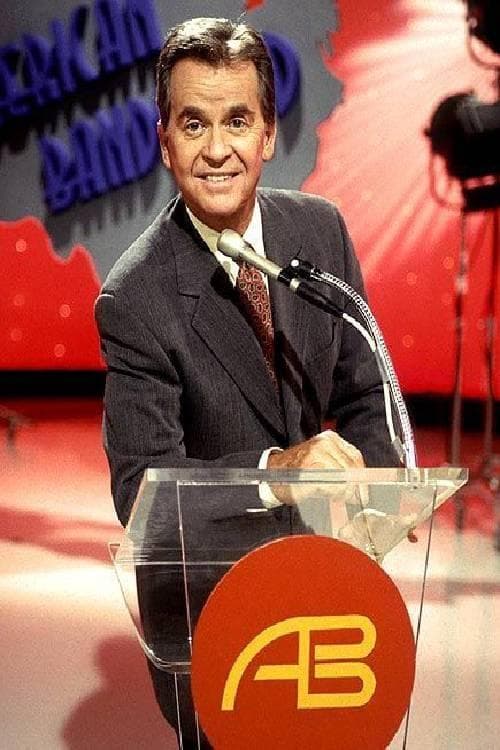
American Bandstand was an American music-performance show that aired in various versions from 1952 to 1989 and was hosted from 1956 until its final season by Dick Clark, who also served as producer. The show featured teenagers dancing to Top 40 music introduced by Clark; at least one popular musical act—over the decades, running the gamut from Jerry Lee Lewis to Run DMC—would usually appear in person to lip-sync one of their latest singles. Freddy "Boom Boom" Cannon holds the record for most appearances at 110. The show's popularity helped Dick Clark become an American media mogul and inspired similar long-running music programs, such as Soul Train and Top of the Pops. Clark eventually assumed ownership of the program through his Dick Clark Productions company.
Drama Series - 1997, 16 episodes • as Self (archive footage)
A documentary series about pop and rock albums that are considered the best or most distinctive of a well-known band or musician or that exemplify a stage in the history of music.

Drama Series - 1958, 16 episodes • as Self
The Dick Clark Show is an American musical variety show broadcast weekly in the United States on the ABC television network 7:30-8 PM on Saturdays from February 15, 1958 through September 10, 1960, sponsored by Beechnut Gum.

Movie - 2004, 2h 15m • as Self (archive footage)
An outstanding performance featuring brilliant storytelling, high stakes drama, and unforgettable character arcs.

Movie - 1985, 2h 15m • as Self (archive footage)
This is the definitive video biography of rock 'n roll legend Buddy Holly. Produced and hosted by former Beatle, Paul McCartney, includes interviews with Keith Richards, Phil and Don Everly, Sonny Curtis, Jerry Allison, Holly's family, and McCartney himself, among others.

Movie - 2022, 2h 15m • as Self (archive footage)
With a narrative running deeper than a catchy tune and cryptic verses, “American Pie” is a musical phenomenon woven deep into the history of American culture, entertaining audiences around the world for over 50 years. This documentary tells the stories of the people who were a part of this moment from the beginning, shows the point of view of a new generation of artists who are motivated by the same values and ideas that inspired the song’s creation, and highlights cultural moments in America’s history that are as relevant now as they were in 1971, when the song was released.

Movie - 1983, 2h 15m • as Self (archive footage)
Rare clips of performance and interviews by a multiple of stars, all prematurely lost.

Movie - 2005, 2h 15m • as Self (archive footage)
The Music of Buddy Holly and the Crickets documents the brief life and career of a young man from Texas whose music and performing style would influence both Rock and Roll and country music. Buddy Holly became famous on the strength of his songwriting talent and his musical style, but died in a tragic airplane accident that also took the life of Richie Valens and The Big Bopper.

Movie - 1999, 2h 15m • as Self (archive footage)
Journeying through the history of rock 'n' roll as it electrified the Golden Age of Hollywood.

Movie - 2019, 2h 15m • as Self (archive footage)
Among the first half-dozen debuts by rock ’n’ roll’s original founders, more significantly it was the first rock album credited to a band rather than a solo artist, as well as a landmark in the history of independent recording methods. Crowned by four of Holly and The Crickets’ best-loved and biggest-selling singles - That’ll Be the Day, Not Fade Away, Maybe Baby and Oh, Boy! - The Chirping Crickets was one of only two albums Buddy Holly recorded in his tragically brief career.

Movie - 2004, 2h 15m • as Himself
An outstanding performance featuring brilliant storytelling, high stakes drama, and unforgettable character arcs.

Movie - 2017, 2h 15m • as Self (archive footage)
Documentary following the life of rock 'n' roll legend Buddy Holly.

Movie - 2003, 2h 15m • as Self (archive footage)
An outstanding performance featuring brilliant storytelling, high stakes drama, and unforgettable character arcs.

Movie - 2009, 2h 15m • as Self (archive footage)
The documentary is narrated by Paul Gambaccini as the story of Buddy's musical career is told in the words of various friends and associates through anecdotes and film clips of some of the events and locations that featured in his life story. These include, for example, scenes from Lubbock and Clovis, the 'motorcycle' film taken by JI's brother, and some cine film shot on tour in England in early 1958 by Norman Petty. There is also a very brief clip of the Angelic Gospel Singers whose stunning version of I'll Be Alright inspired Buddy's True Love Ways. And a lot more.