Willy Haibel
Known For & Full Filmography4 Titles
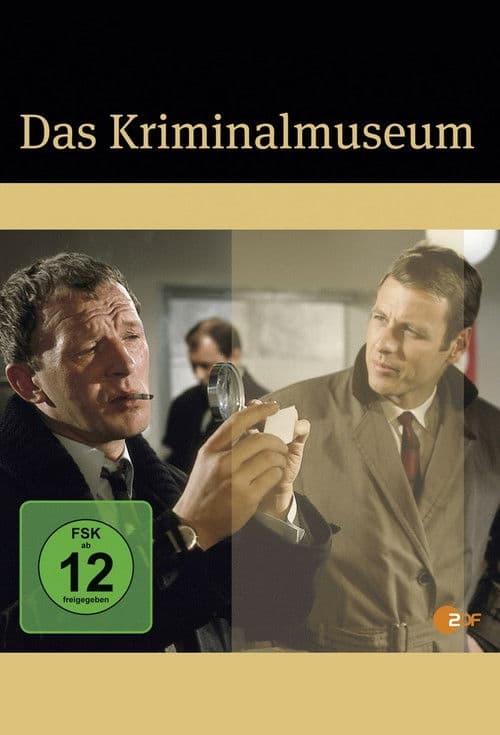
Drama Series - 1963, 16 episodes • as Landpolizist
Das Kriminalmuseum was a German television series. It ran from 1963 to 1970 on ZDF and was one of its first programs. Each episode began with a tracking shot through an unspecified crime museum, stopping at one of the displays, whose story was then told. Each episode was between 60 and 75 minutes long and featured different actors as the criminal commissioner. The best known was Erik Ode, who in 1969 moved to Der Kommissar, appearing in 97 episodes. The theme music of the series was written by German composer Martin Böttcher, who also composed the complete scores for five episodes.
Drama Series - 1963, 16 episodes • Main Cast Role
Das Kriminalmuseum was a German television series. It ran from 1963 to 1970 on ZDF and was one of its first programs. Each episode began with a tracking shot through an unspecified crime museum, stopping at one of the displays, whose story was then told. Each episode was between 60 and 75 minutes long and featured different actors as the criminal commissioner. The best known was Erik Ode, who in 1969 moved to Der Kommissar, appearing in 97 episodes. The theme music of the series was written by German composer Martin Böttcher, who also composed the complete scores for five episodes.
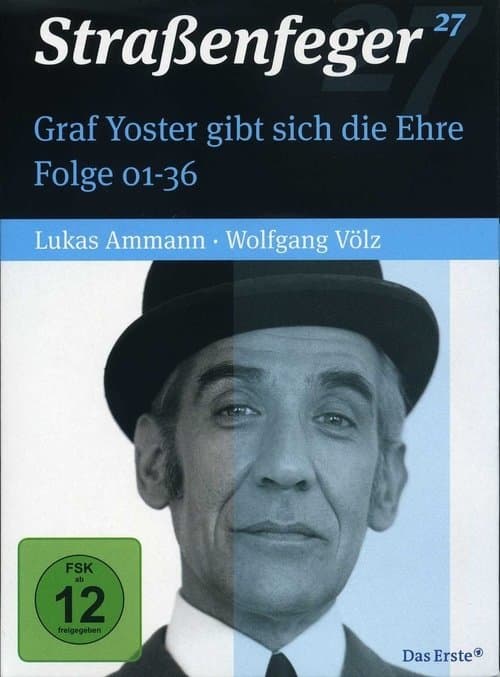
Drama Series - 1967, 16 episodes • as Zweiter Feuerwehrmann
Graf Yoster gibt sich die Ehre [French title: Le comte Yoster a bien l'honneur] is a TV series which followed the adventures of the title’s amateur gentleman detective. It was a success in particular in Germany and in France. Originally the show was a German production in black-and-white but it evolved into a European co-production in colour.
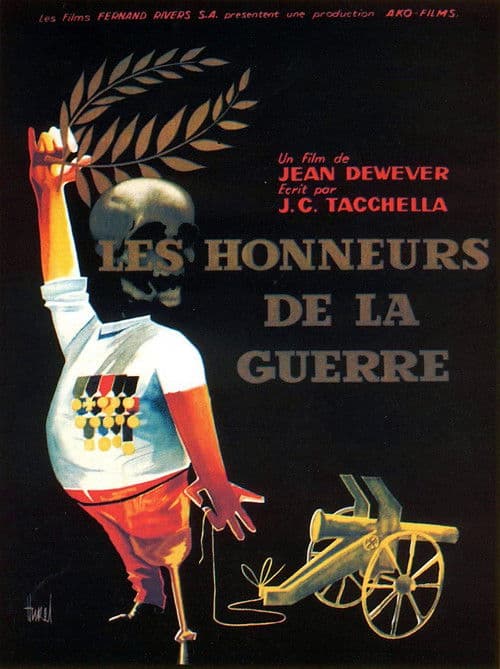
Movie - 1962, 2h 15m • as Willy
One morning in August 1944, the inhabitants of a French village are celebrating their premature liberation. The festivities are interrupted by the arrival of an exhausted, leaderless German detachment. A few kilometers away, the inhabitants of the village of Muzière negotiate with the Germans and agree to a truce. But the arrival of a Wehrmacht captain, anxious to regain control of the men, puts an end to this fragile peace process. The captain suggested meeting the Americans and surrendering to regular troops rather than civilians. The inhabitants of Muzière, believing the truce to be broken, fire on the Germans and, on this misunderstanding, the guns start talking again.