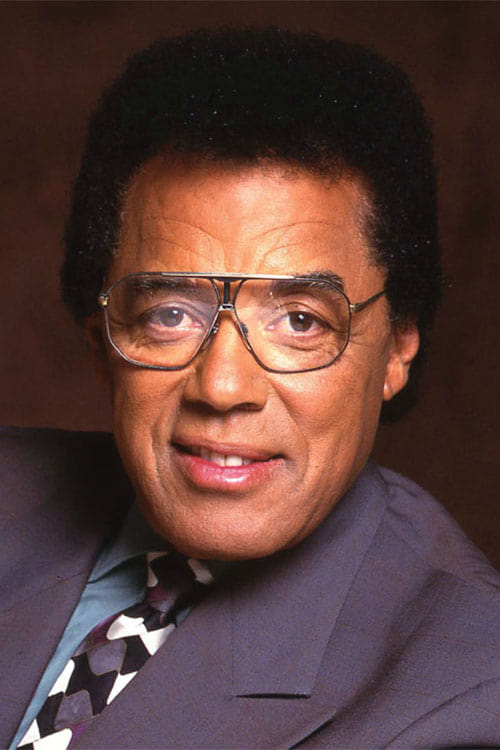
O.C. Smith
Biography
O.C. Smith was born on June 21, 1936 in Mansfield, Louisiana, USA. He was an actor, known for Shaft's Big Score! (1972), The Learning Tree (1969) and Such Good Friends (1971). He was married to Robbie Gholson Smith and Lorraine Wiltz. He died on November 23, 2001 in Los Angeles, California, USA.
Known For & Full Filmography8 Titles
Drama Series - 1961, 16 episodes • as Self
The Mike Douglas Show is an American daytime television talk show hosted by Mike Douglas that originally aired only in the Cleveland area during much of its first two years on the air. It then went into syndication in 1963 and remained on television until 1982. It was distributed by Westinghouse Broadcasting and for much of its run, originated from studios of two of the company's TV stations in Cleveland and Philadelphia.

Drama Series - 1979, 16 episodes • as Charlie Hart
The domestic adventures, misdeeds and everyday interactions of five families living on a cul-de-sac in a small California community.
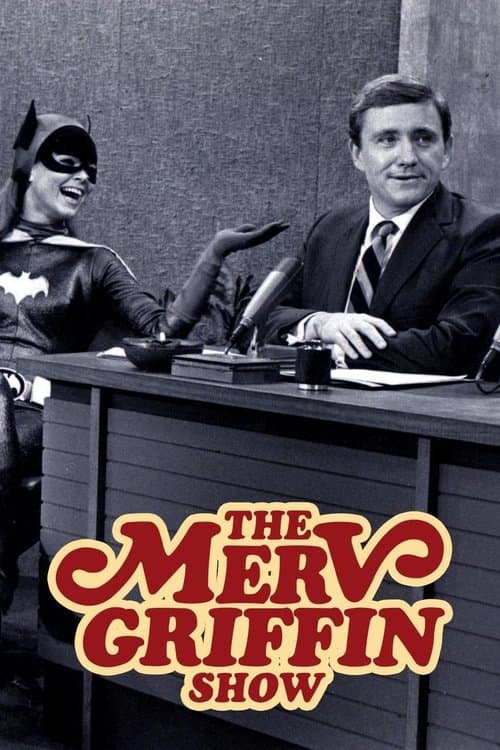
Drama Series - 1962, 16 episodes • as Self
An outstanding performance featuring brilliant storytelling, high stakes drama, and unforgettable character arcs.

Drama Series - 1948, 16 episodes • as Self
The Ed Sullivan Show is an American TV variety show that originally ran on CBS from Sunday June 20, 1948 to Sunday June 6, 1971, and was hosted by New York entertainment columnist Ed Sullivan. It was replaced in September 1971 by the CBS Sunday Night Movie, which ran only one season and was eventually replaced by other shows. In 2002, The Ed Sullivan Show was ranked #15 on TV Guide's 50 Greatest TV Shows of All Time.

Drama Series - 1969, 16 episodes • as Self
The Johnny Cash Show was an American television music variety show hosted by Johnny Cash. The Screen Gems 58-episode series ran from June 7, 1969 to March 31, 1971 on ABC; it was taped at the Ryman Auditorium in Nashville, Tennessee. The show reached No. 17 in the Nielsen ratings in 1970. Cash opened each show, and its regulars included members of his touring troupe, June Carter Cash and the Carter Family, The Statler Brothers, Carl Perkins, and The Tennessee Three, with Australian-born musical director-arranger-conductor Bill Walker. The Statler Brothers performed brief comic interludes. It featured many folk-country musicians, such as Joni Mitchell, Bob Dylan, Linda Ronstadt, Kris Kristofferson, Mickey Newbury, Neil Young, Gordon Lightfoot, Merle Haggard, James Taylor and Tammy Wynette. It also featured other musicians such as jazz great Louis Armstrong, who died eight months after appearing on the show.

Movie - 1988, 2h 15m • as Self
Throughout the mid-1980s, viewers tuning in late at night to Los Angeles’s KTTV Channel 11 could catch a broadcast unlike any other: ETERNITY’S PILLAR, a journey through the astral plane created and hosted by jazz visionary and spiritual guru Alice Coltrane Turiyasangitananda. Blending music, meditation, chanting, and an avant-garde video-art aesthetic, this singular audiovisual experience is a sublimely cosmic expression of Coltrane’s deep-held belief in music’s capacity to attain spiritual transcendence.

Movie - 2004, 2h 15m • as Landowner (voice)
Jesus often taught His followers using stories called parables. The parables of The Talents, The Rich Man and Lazarus, and The Two Sons, are presented together to reinforce important principles. They teach us how to be good stewards of the things that we have been given. These timeless truths help us focus on our faith in God and His power to help us live our lives in accordance with His teachings.

Drama Series - 1985, 16 episodes • as Self
Throughout the mid-1980s, viewers tuning in late at night to Los Angeles’s KTTV Channel 11 could catch a broadcast unlike any other: ETERNITY’S PILLAR, a journey through the astral plane created and hosted by jazz visionary and spiritual guru Alice Coltrane Turiyasangitananda. Blending music, meditation, chanting, and an avant-garde video-art aesthetic, this singular audiovisual experience—four episodes of which are presented here—is a sublimely cosmic expression of Coltrane’s deep-held belief in music’s capacity to attain spiritual transcendence.